



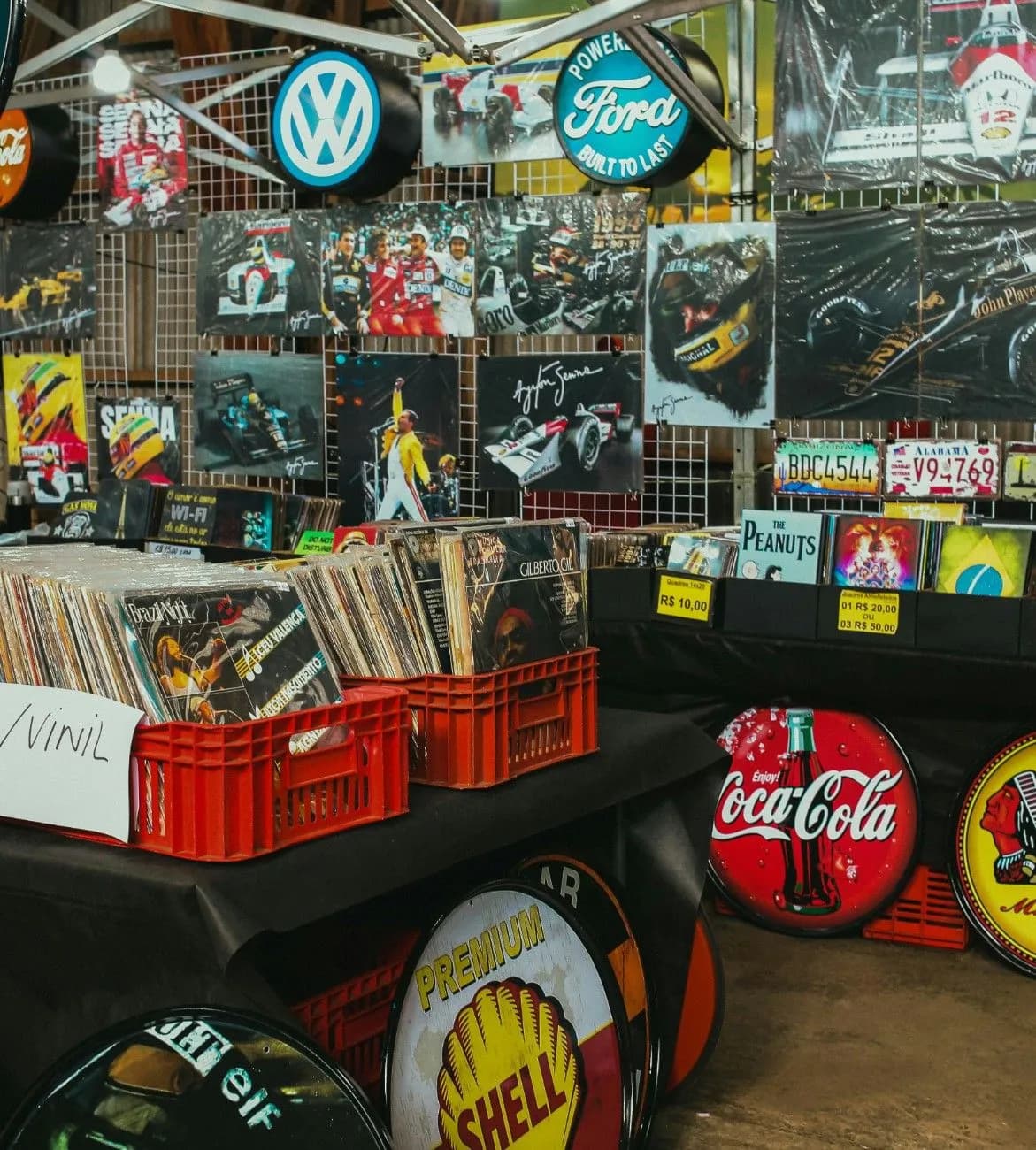
There's a moment every brand strategist is aware of. You're observing a brand — maybe it's miles for a new fintech startup, maybe it's miles a rebrand for a decades-vintage retailer — and someone within the room says, "What if we simply move blue?" And all of us nods. It feels safe, sincere, professional. However why?
The answer lives someplace among neuroscience, cultural conditioning, and the very unique electromagnetic wavelengths that bounce off our retinas. Shade is not ornament. In logo identity, it's miles sign — compressed, immediately, and processed before the aware thoughts even begins analyzing a word. by the time someone identifies the call in a brand, their emotional reaction to its color has already fired.
What follows is a examine how the sector's maximum recognized brands chose their hues, what the ones picks speak psychologically, and the precise HEX values sitting in their logo fashion guides — due to the fact know-how *why* a coloration works is extra useful while you know precisely *which colour* become chosen.
Why color Hits earlier than the whole thing Else
Human visible processing has a hierarchy. The mind's early visible cortex responds to shade assessment within kind of 80–one hundred milliseconds — properly before item recognition (around 150ms) or semantic understanding (200ms+). Color is the fastest channel inside the visible gadget. That is not a metaphor; it's miles neuroscience.
For brands, this means coloration is doing persuasion work that text never gets the risk to do. McDonald's golden arches do now not need the word "McDonald's" to trigger the affiliation. The pink of a Coca-Cola can communicates warm temperature and energy before each person reads a calorie be counted. That is why brand shade picks are never — or need to in no way be — arbitrary.
The studies on coloration-emotion associations is greater robust than maximum designers understand. Cross-cultural research have found consistent mappings among coloration areas and emotional states — pink to urgency and passion, blue to agree with and calm, inexperienced to fitness and nature — although those institutions aren't customary and are heavily modulated by means of context, adjoining colorations, and saturation ranges.
Pink: Urgency, appetite, and energy
Purple sits at the long-wavelength end of the visible spectrum. It calls for the maximum attention-adjustment from the human eye — that's partially why it reads as "near," intense, and interest-traumatic. Physiologically, viewing saturated purple can increase heart price and stimulate appetite-associated hormones. Those outcomes are modest in isolation however significant whilst continuously paired with logo touchpoints over years of exposure.
Coca-Cola uses #DA291C — a warm crimson that shifts slightly closer to orange. That is a planned selection. A pure pink on the cool stop (#E8112D) reads as more aggressive and cutting-edge; a warm-shifted red reads as festive, celebratory, and welcoming. For a beverage that has spent a century associating itself with holidays, sharing, and happiness, the nice and cozy push is precisely proper.
Netflix makes use of #E8112D — slightly cooler. In opposition to the pitch-black backgrounds of a streaming interface, the cooler hue has better luminance contrast and reads as top class and cinematic in preference to reasonably-priced or loud. The colour does exceptional work in a specific surroundings.
YouTube uses #FF0000 — literally most sRGB purple, every channel maxed except green and blue. That is aggressive and intentional. YouTube's whole enterprise version is competing for human attention; being not possible to disregard is a function, no longer a quirk.
| Logo | Number one purple HEX | Hue angle (approx.) | Psychological reason |
|---|---|---|---|
| Coca-Cola | #DA291C | 6° (heat orange-crimson) | urge for food, joyful celebration, nostalgia |
| YouTube | #FF0000 | zero° (natural purple) | Urgency, maximum interest |
| Netflix | #E8112D | 352° (cool pink) | excitement, cinematic power |
| #E60023 | 356° (near-pure purple) | passion, innovative idea | |
| Lego | #DA291C | five° (heat pink) | Play, strength, number one-shade boldness |
Blue: The Unthreatening color of Authority
Blue is the maximum typically chosen coloration in company identity across the Fortune 500 — not because it is fashionable however due to the fact it's far the least threatening shade within the spectrum. It's far related to open sky, deep water, and distance — none of which are bodily risky. From an evolutionary standpoint, blue environments sign protection. From a branding perspective, this interprets into consider, competence, and reliability.
That is why economic institutions, healthcare businesses, technology corporations, and social systems pile into blue. The threat is that blue turns into a sign of *not anything particularly* — it's so default that it stops speaking something special. The manufacturers that use blue effectively selected a specific, ownable coloration and then deployed it with consistency across a long time.
facebook / Meta makes use of #1877F2 — bright, excessive-saturation blue. This hue become reportedly selected partially due to the fact Mark Zuckerberg is crimson-green shade blind, and blue is the coloration he sees maximum vividly. It passed off to be a absolutely appropriate brand choice: the brightness signals openness and accessibility rather than authority, which suits a social platform's desires.
PayPal makes use of #003087 — a dense military. Whilst you are asking someone to hand you their banking credentials, institutional weight is the message. The darkness of PayPal's blue communicates that this is a organization that takes monetary protection seriously, no longer a startup playing at fintech.
Samsung makes use of #0057B8 — among the two extremes. Mid-darkish, barely corporate, but not quite as heavy as banking blue. Appropriate for a technology logo that desires to feel dependable without being intimidating.
Inexperienced: Fitness, Permission, and Growth
Inexperienced sits in the middle of the visible spectrum, in which the human eye has the maximum colour receptors. It is processed with much less attempt than the extreme ends (pink and violet) — and this low-attempt processing creates an affiliation effortlessly, naturalness, and permission. inexperienced is the shade of "pass." it's also the shade of developing things, which maps cleanly onto organic, fitness, environmental, and monetary-boom logo narratives.
Starbucks uses #00A862 — a saturated, barely teal-shifted inexperienced. The teal push is vital: it prevents the color from reading as regular ecology-brand green (which has end up truly clichéd in sustainability branding) and pushes it in the direction of premium, clean, and complex. The saturation level is vibrant enough to be distinctive however no longer so excessive that it reads as artificial.
WhatsApp uses #25D366 — a brighter, lighter green than Starbucks. The higher lightness fee makes it friendlier and extra playful, suitable for a messaging app used by human beings of every age and contexts. It reads as positive and easy rather than premium and critical.
complete foods uses a woodland inexperienced (#00674B) — dark, natural-feeling, and materially related to the color of actual leaves and produce. The darkness alerts nice and substance in preference to energy and excitement.
Yellow and Orange: Optimism, Hunger, and Velocity
Yellow is the very best-luminance colour the human eye can perceive — it sits at the height of the photopic luminosity function. It's miles physically the most seen color, which makes it powerful for wayfinding, safety, and urgency. In logo contexts, yellow reads as optimism, warmth, and power while used in the golden-orange sign in, and as caution or cheapness when driven closer to pure spectral yellow at low saturation.
The genius of McDonald's golden arches is that #FFC72C sits in the warm golden-orange area — high luminance, warm hue — which turns on urge for food cues and communicates cheerfulness simultaneously. It is not the yellow of warning tape. It is the yellow of afternoon sun and melted butter.
Amazon uses #FF9900 for the smile arrow in its brand. The nice and cozy amber-orange reads as friendly, energetic, and retail-suitable — it's far near enough to purple to hold appetite stimulation but heat sufficient to keep away from aggression. The smile arrow is going from A to Z within the logotype, communicating that Amazon contains the entirety from A to Z; the colour makes that verbal exchange experience joyful rather than corporate.
| Colour Place | Sample HEX | Middle Institutions | Usual Industries |
|---|---|---|---|
| Warm purple | #DA291C | urge for food, power, urgency | food & beverage, entertainment |
| Cool pink | #E8112D | excitement, top rate, cinematic | Streaming, style, media |
| Vivid blue | #1877F2 | agree with, openness, accessibility | Social, tech, client apps |
| Deep blue | #003087 | Authority, stability, institutional accept as true with | Finance, healthcare, government |
| Emerald inexperienced | #00A862 | Freshness, herbal, top class natural | food, hospitality, sustainability |
| Warm amber | #FF9900 | Optimism, friendliness, retail energy | Retail, logistics, client tech |
| Pink/violet | #7B2FBE | luxurious, creativity, imagination | splendor, premium tech, entertainment |
| Black | #000000 | Exclusivity, sophistication, authority | luxurious, style, top rate automobile |
Purple: The coloration no one Can find the money for to ignore
Historically, red pigment was greater high priced than gold. Tyrian pink — crafted from sea snail mucus — become reserved for emperors and cardinals. That historical association with scarcity and power by no means fully left the coloration. Crimson in present day branding almost usually signals either luxury and top rate pleasant, or creativity and imagination (because purple is the maximum "unnatural" colour in the seen spectrum — it does not exist as a unmarried wavelength, simplest as a perceptual blend of crimson and blue).
Twitch uses #7B2FBE — bright, medium-darkish purple. Gaming and innovative groups identify with the coloration's mild unconventionality. The hue indicators that that is a area for those who function outdoor the mainstream; the saturation stage keeps it lively in place of stodgy.
FedEx makes use of #430098 — deep violet — paired with #FF6600 orange. The crimson-orange complementary pair creates visual anxiety that communicates precision and velocity concurrently. The red is the reliable part; the orange is the short element.
Cadbury makes use of #4D1152 — a dark, warm red that has been legally covered as a trademark in several markets. The darkness and heat speak richness and indulgence, appropriate for a premium chocolate logo.
The HEX Code is not the complete story
Right here is the element that each logo manual eventually runs into: a HEX code is a hardware instruction, not a colour description. #FF9900 on Amazon's MacBook design gadget method some thing barely distinctive than #FF9900 on a budget office projector. The warmth shifts. The luminance changes. The saturation collapses or expands relying at the panel's gamut.
The brands at the pinnacle of this listing — those with billion-greenback identity systems — have continually known this. They define their colours in multiple color areas: Pantone for physical print, CMYK for four-coloration press, LAB or OKLCH for tool-unbiased specification, and HEX for digital implementation. The HEX is the tip of a miles deeper iceberg.
In case you need to recognize how your brand HEX interprets across colour spaces — what LAB values it resolves to, what OKLCH coordinates describe it, whether it falls outdoor sRGB gamut on P3 displays — a color converter that handles the entire conversion chain is the right place to begin.
Convert HEX to RGB, HSL & More
The Saturation trap maximum manufacturers Fall Into
there's a failure mode that suggests up again and again while early-stage agencies choose brand colorings: maximum saturation. The reasoning is going — bright hues are energetic and memorable, so the most bright colour feasible need to be the satisfactory preference. It isn't always.
Maximally saturated shades (the ones sitting at the rims of the sRGB cube) are hard to use. They conflict with maximum other hues, they're hard to apply on white and dark backgrounds concurrently, they look cheap at small sizes, and they create visual fatigue on interfaces in which the consumer spends huge time. More importantly, they depart you nowhere to go. in case your brand pink is already at #FF0000, you can't make an error country redder. You've got used up the channel.
The brands with the most durable identities — Coca-Cola, IBM, Apple, Hermès — all use colorings which might be bright however now not maxed out. They sit within the 60–80% saturation range for their hue, which gives them breathing room for hover states, versions, tints, and shades without losing coherence. The restraint is the sophistication.
Saturation Comparison: Logo reds vs. most sRGB
| Brand | HEX | sRGB Saturation (HSL) | Strategic preference |
|---|---|---|---|
| Maximum sRGB crimson | #FF0000 | 100% | No room for emphasis states; clashes widely |
| YouTube | #FF0000 | 100% | Intentional — the brand IS most interest |
| Netflix | #E8112D | 91% | vibrant however with slight blue mix for night-display consolation |
| Coca-Cola | #DA291C | 78% | conventional logo warmth — room for tints and Pantone matching |
| Hermès orange | #F15B28 | 89% | vibrant but heat — strength without aggression, luxurious register |
What the research definitely Says about shade and purchase choices
The famous claim that "shade influences 85% of purchase selections" gets repeated with no end in sight in marketing content and sourced to a 1985 observe that most researchers can't find in its authentic shape. The actual picture is extra nuanced and greater interesting.
What the credible studies does display: color affects the perceived *appropriateness* of a brand for its class. A financial institution with a neon yellow brand, creates a mismatch that creates friction — no longer because yellow or black are bad colorings but because they violate the style expectancies purchasers have constructed up from a long time of publicity to class conventions. Colour's strongest effect is on in shape perception, no longer direct preference.
The implication for logo designers is that colour choice is in part approximately class fluency (deciding on a colour that indicators "we belong in this space") and in part about differentiation (choosing a coloration exceptional enough that purchasers can become aware of you inside the category). The aim is to fulfill the genre expectation on the hue stage while owning a particular color inside that hue. Facebook owns the precise blue #1877F2 inside the social platform area. The blue itself is class-suitable; the exact fee is theirs.
Constructing a color gadget around psychological reason
If you are selecting a logo colour from scratch, the sensible manner has three steps that maximum brand guides pass due to the fact they move without delay to "what appears right."
First: Define the emotional territory earlier than you outline the color. Write down three to five adjectives that describe the emotional enjoy your brand ought to create. Then map those adjectives to the colour regions they correspond to. In case your adjectives are "calm, trusted, professional," you are within the blue-navy territory. If they are "energetic, hungry, festive," you're in the red-orange region. The color region is determined before you open a shade picker.
Second: Choose a particular hue attitude and saturation stage that differentiates you within that location. This is wherein competitor evaluation matters. If each other organization for your category uses cool mid-blue #0057B8, your differentiator might be a hotter blue that reads as extra approachable, or a darker army that reads as extra premium. You are proudly owning a territory inside a territory.
Third: Take a look at the color in its real surroundings, no longer a white artboard. Your logo coloration will appear in opposition to white, against dark backgrounds, at 16px icon size, at billboard scale, on matte packaging, on smooth phone displays, and in screen-printed material. A shade that pops magnificently on a Figma canvas can go absolutely flat in embroidery. That is where knowledge the underlying color technological know-how — how HEX interprets to LAB, how LAB values predict perceived lightness — becomes almost beneficial as opposed to academically interesting.
The manufacturers which have lasted many years — whose colors experience earned instead of chosen — built them this way: psychological motive first, unique specification 2d, after which relentless consistency throughout every surface they ever touched. The HEX code is the remaining aspect they decided. The emotion changed into the primary.