
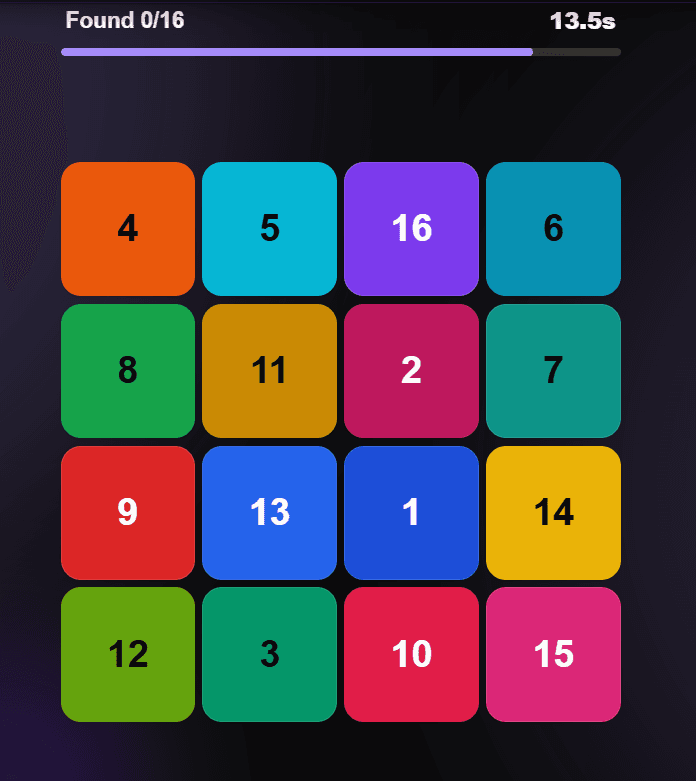
Brain GamesFeatured
How to Use the Focus Challenge Game (Step by Step)
#brain training game#word game#spatial reasoning
7 mins read
Read article


© 2026 UntangleTools. All Rights Reserved.
Practical guides about measurement systems, conversion tips, and real-world stories.
Showing 1–9 of 33
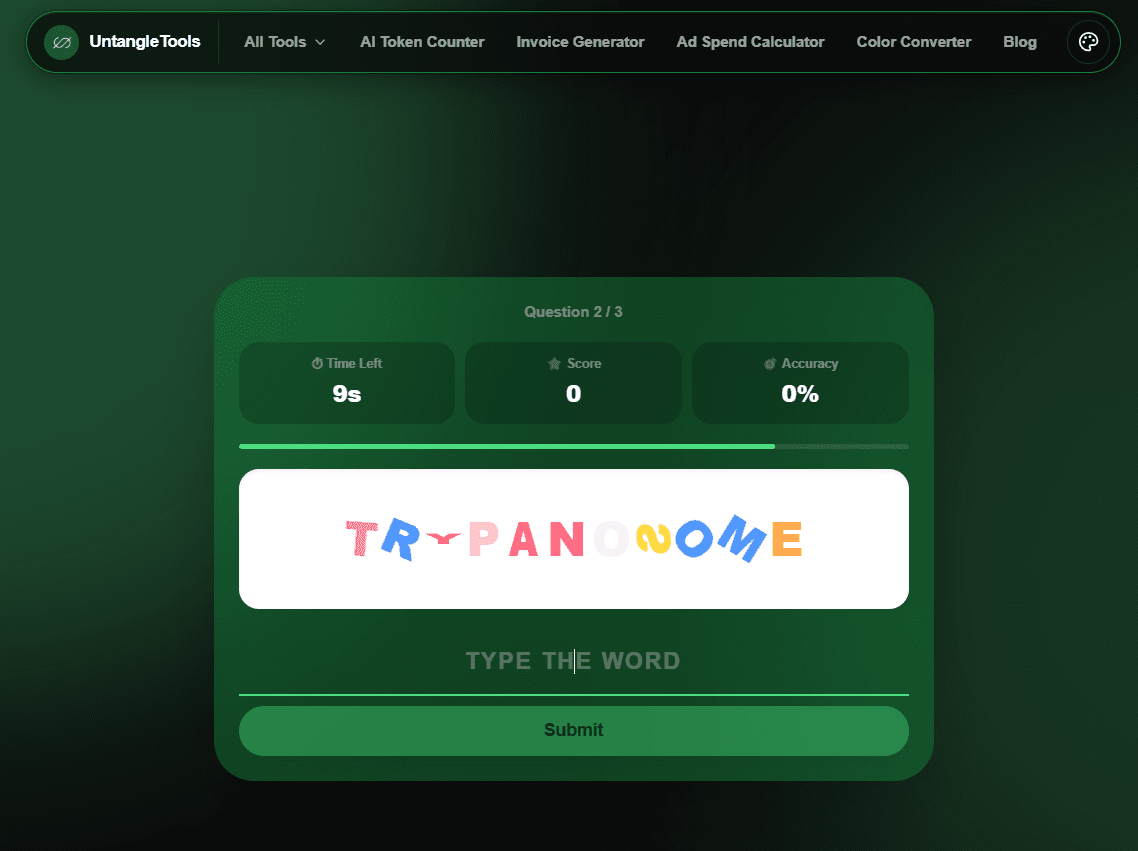
Letter Flip Challenge rotates, mirrors, and fades letters until whole-word skimming stops working. Here's how the game actually trains mental rotation, why it beats generic word puzzles, and how to run a round that's hard in the right way.

Prompt caching can cut your AI API bill by 50–90% on repeated calls — but most developers never turn it on. Here's exactly how it works across Claude, Gemini, and OpenAI, with real cost math and code you can use today.

You found the perfect part on Alibaba. The price is right, the supplier has good reviews, and the spec sheet looks solid. Then you open the PDF and every single measurement is in millimeters. This guide is for every US maker, DIYer, and small manufacturer who has been in that exact situation — and wants to never get a wrong-sized part again.

Your package weighs two pounds. Your shipping invoice charges you for nine. Welcome to dimensional weight — the pricing model that every major carrier uses and that most small shippers discover the expensive way. A wrong unit, a forgotten rounding rule, or a box three inches too large can more than quadruple your shipping cost. This is the complete breakdown of how dimensional weight works, where the unit conversion errors happen, and how to get the math right the first time.

Google tightened its 2026 Core Web Vitals thresholds and most Next.js sites haven't caught up. LCP must now be ≤2.5 seconds to pass — and the bar for 'good' is actually 2.0 seconds if you want top rankings. This is the full audit checklist I ran on a production tool site to break the 1-second load barrier, including the exact code patterns, caching decisions, and the five things that moved the needle most.

Every time you paste a salary figure into an online calculator, convert a confidential document with a free tool, or run client data through a web-based converter, you are making a trust decision you probably never consciously made. Most free online tools transmit what you type to a server. Some store it. Some analyze it. Some sell it. Client-side processing is the architecture that makes that impossible — and it is the reason it matters which tool you choose.

Ask most content creators how long a blog post should be and you'll get a number in words. Ask an AI model the same question and it thinks in tokens. These two units measure different things, cost different amounts, and behave differently in search engines. Understanding the gap between them is the single most practical optimization available to anyone writing AI-assisted content in 2026.

I spent a week logging every single AI interaction — model, token count, task type — and then ran the numbers through a carbon calculator. The result surprised me. 718,000 tokens. $18.40. Roughly 685 grams of CO2. That last number is what made me sit down and rethink how I prompt.
Showing 1–9 of 33 posts