



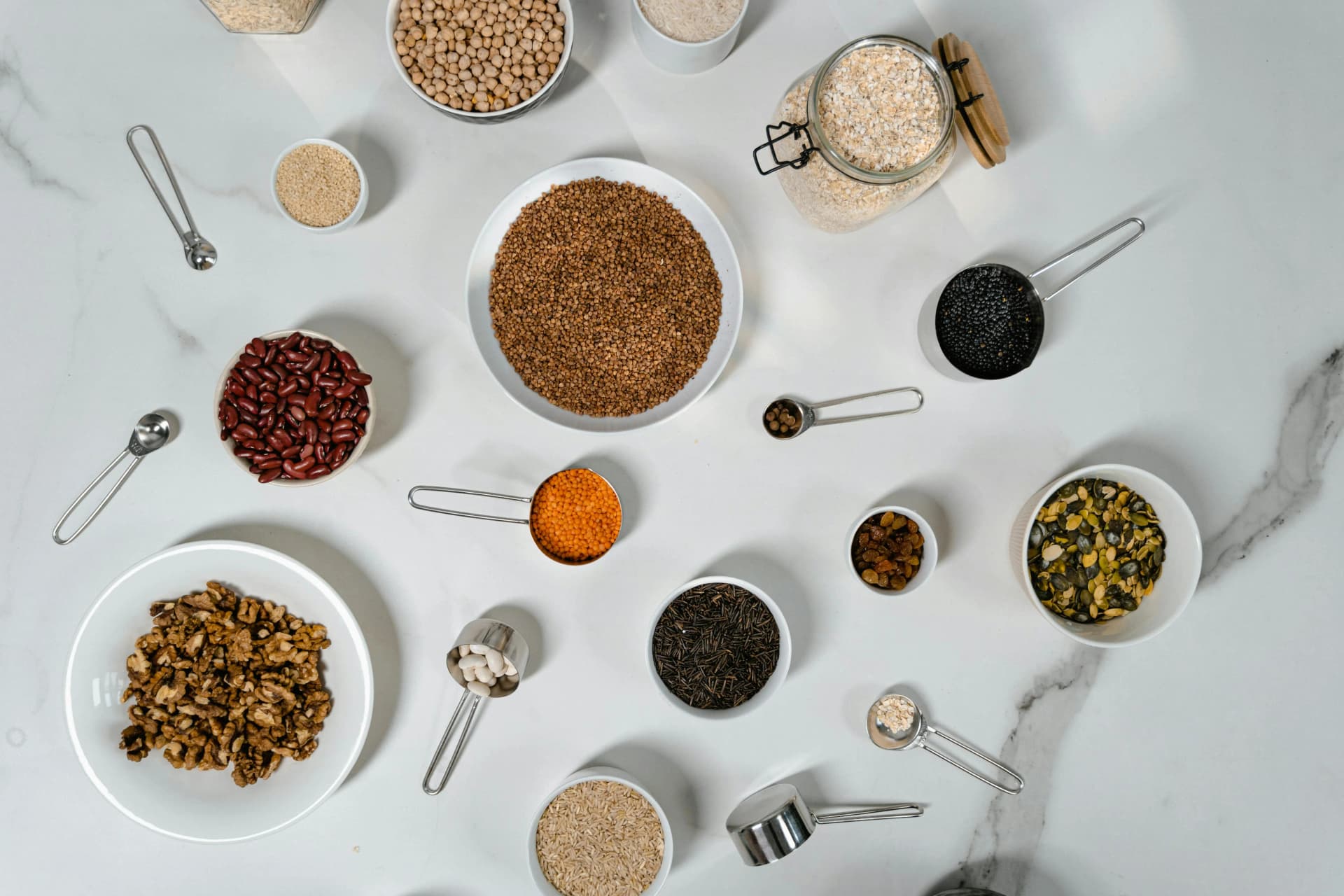
You are excited to attempt a new recipe, however it requires 250 grams of flour and your measuring cups most effective show oz. Or maybe you are doubling a recipe that uses tablespoons, and you need to recognize what number of cups that equals. Kitchen size confusion stops many domestic chefs from attempting new recipes.
This guide solves that trouble. You may analyze the most common conversions, recognize while to apply weight versus extent, and find out sensible guidelines that expert cooks use every day.
Information Kitchen Measurements: The basics
Cooking makes use of two predominant styles of measurements: volume (how lots space something takes up) and weight (how heavy something is). One-of-a-kind nations decide upon special structures, that is why recipes can look confusing.
American recipes typically use cups, tablespoons, and teaspoons. European and expert recipes often use grams and milliliters. Know-how both structures makes you a greater confident cook dinner.
Volume vs. Weight: Why it subjects
Volume measurements paintings excellent for liquids. One cup of water constantly weighs the equal. But dry elements reason issues. One cup of flour can weigh everywhere from a hundred and twenty to 150 grams relying on how you scoop it.
Baking requires precision. Too much flour makes dry, dense cakes. Too little creates flat cookies. that is why professional bakers constantly weigh ingredients. A kitchen scale eliminates guesswork and offers constant effects each time.
For normal cooking—soups, stews, casseroles—quantity measurements work perfectly nice. Keep the size for baking tasks where accuracy subjects maximum.
Commonplace Measuring gear and Their makes use of
Every kitchen desires those fundamental gear:
Dry measuring cups are available in units with 1 cup, 1/2 cup, 1/three cup, and 1/4 cup sizes. Fill them to the pinnacle and stage off with a directly side. These paintings fine for flour, sugar, and different dry ingredients.
Liquid measuring cups have a spout and dimension strains beneath the rim. place on a counter, pour in liquid, and test at eye stage. The curved floor (referred to as the meniscus) should align along with your goal line.
Measuring spoons include tablespoon, teaspoon, half teaspoon, and 1/four teaspoon. degree off dry elements; fill liquid ones to the brim.
Kitchen scales measure weight in grams or oz. Digital scales with a tare function (which zeros out the bowl weight) make measuring incredibly clean.
Critical extent Conversions for normal Cooking
These conversions assist you scale recipes up or down with out calculating each ingredient one at a time.
Cups to Tablespoons and Teaspoons
The fundamental constructing blocks:
- 1 cup = sixteen tablespoons
- 1 cup = forty eight teaspoons
- 1 tablespoon = 3 teaspoons
- 1/2 cup = 8 tablespoons
- 1/4 cup = four tablespoons
- 1/eight cup = 2 tablespoons
Realistic example: A recipe requires 3/four cup of oil, however you simplest have tablespoons. Multiply: three/four × 16 = 12 tablespoons.
Another manner: Half of cup (8 tablespoons) plus 1/four cup (4 tablespoons) equals 3/four cup (12 tablespoons).
changing to Milliliters
global recipes use milliliters (ml). Right here are the important thing conversions:
- 1 cup = 240 ml
- 1 tablespoon = 15 ml
- 1 teaspoon = 5 ml
- half cup = one hundred twenty ml
- 1/four cup = 60 ml
Short tip: Most measuring cups now show each systems. test yours—you would possibly have already got the conversion built in.
Weight Conversions for Baking success
Weight gives the most correct consequences for baking. after you start weighing components, you'll note greater constant effects.
Flour: The problematic element
Flour is the most variable ingredient in baking. The way you scoop it modifications the quantity notably:
- 1 cup all-cause flour = one hundred twenty-one hundred twenty five grams (scooped and leveled)
- 1 cup bread flour = a hundred thirty grams
- 1 cup cake flour = 115 grams
- 1 cup whole wheat flour = 130 grams
The spoon-and-level technique offers the maximum correct cup measurements: spoon flour into the cup and degree with a knife. in no way percent it down or faucet the cup.
Professional bakers continually weigh flour. If a recipe doesn't list weight, use a hundred and twenty grams according to cup as your widespread for all-reason flour.
Sugar and Butter Conversions
Sugar and butter are more constant than flour:
Granulated sugar:
- 1 cup = 200 grams
- 1 tablespoon = 12.5 grams
Brown sugar (packed):
- 1 cup = 220 grams
- 1 tablespoon = 14 grams
Butter:
- 1 cup (2 sticks) = 227 grams
- 1 stick = 113 grams
- 1 tablespoon = 14 grams
American butter sticks have tablespoon markings at the wrapper. Every line represents one tablespoon. This integrated measuring system makes butter the perfect element to paintings with.
discover Kitchen Measuring Tools
Temperature Conversions: Fahrenheit to Celsius
Oven temperatures confuse many cooks using international recipes. Right here's the components and commonplace conversions:
system: °C = (°F - 32) × 5/9
However memorizing common temperatures is less difficult:
Oven Temperature short manual
- 300°F = 150°C = fuel Mark 2 (sluggish/low)
- 325°F = 165°C = gas Mark three (moderately slow)
- 350°F = 175°C = fuel Mark four (mild)
- 375°F = 190°C = fuel Mark five (reasonably warm)
- 400°F = 200°C = gas Mark 6 (warm)
- 425°F = 220°C = gasoline Mark 7 (warm)
- 450°F = 230°C = fuel Mark eight (very warm)
Maximum recipes use 350°F (175°C) or 375°F (190°C). Every oven runs barely distinct, so these are starting factors. Watch your food and adjust as wanted.
Fuel ovens use numbered "fuel Marks" inside the united kingdom. Each mark represents about 25°F difference.
Not unusual component Substitutions and Ratios
From time to time you need to substitute ingredients. Expertise ratios facilitates you regulate recipes confidently.
Emergency Kitchen Substitutions
No buttermilk? mix 1 cup milk with 1 tablespoon lemon juice or vinegar. Permit take a seat 5 minutes. This creates the acid wanted for gentle baked goods.
Out of cake flour? For each cup of cake flour, use 1 cup minus 2 tablespoons all-purpose flour plus 2 tablespoons cornstarch. Sift collectively three instances.
need self-rising flour? mix 1 cup all-cause flour with 1½ teaspoons baking powder and 1/4 teaspoon salt.
No heavy cream? blend three/4 cup milk with 1/three cup melted butter for 1 cup cream substitute. This works for cooking, now not whipping.
lacking brown sugar? mix 1 cup granulated sugar with 1 tablespoon molasses. The darker molasses, the darker your brown sugar.
Practical suggestions for correct Measurements
Small habits make a huge difference in cooking effects:
Fending off commonplace dimension errors
Do not degree over your mixing bowl. in case you by accident pour an excessive amount of, it is too late to fix. Measure over a separate container or the sink.
Degree dry elements well. Use a immediately side like a knife or spatula. do not shake or faucet the cup—this packs ingredients and gives you extra than the recipe meant.
Degree liquids at eye stage. Checking from above or beneath creates optical illusions that throw off your measurement.
Study recipes completely first. "1 cup chopped nuts" differs from "1 cup nuts, chopped." the first method chop, then degree. The second way measure entire nuts, then chop them. you may use distinct quantities.
Recognize "packed" versus "scooped." Brown sugar have to be packed firmly. Flour ought to be scooped gently and leveled. The recipe will specify while packing matters.
Put money into a virtual scale. Scales cost $20-30 and remove conversion troubles. Tare the bowl to zero, add ingredients by using weight, and you are completed. No math required.
Convert Cooking Measurements Instantly
Preserve a conversion chart handy. Stick one inner a cabinet door until you memorize the basics. Your cellphone digital camera can save a brief reference photograph.
The lowest Line: Size conversions come to be 2d nature with exercise. Begin with the basics—cups to tablespoons, grams for flour—and build from there. A simple kitchen scale eliminates maximum confusion and improves your baking outcomes without delay. understand that cooking is more forgiving than baking, so do not strain over ideal measurements in savory dishes. Keep precision for desserts and breads wherein chemistry subjects.
Disclaimer: This newsletter provides academic steerage about cooking measurements and conversions. At the same time as we make certain accuracy thru culinary research and expert evaluate, individual recipe outcomes might also vary based totally on substances, device, and approach. For meals protection records, always seek advice from legitimate sources just like the USDA or FDA.